I can never let St Patrick’s Day go by without thinking of my two favourite walks along the north coast of Anglesey, on both of which Ynys Badrig (Patrick’s Island) features prominently.
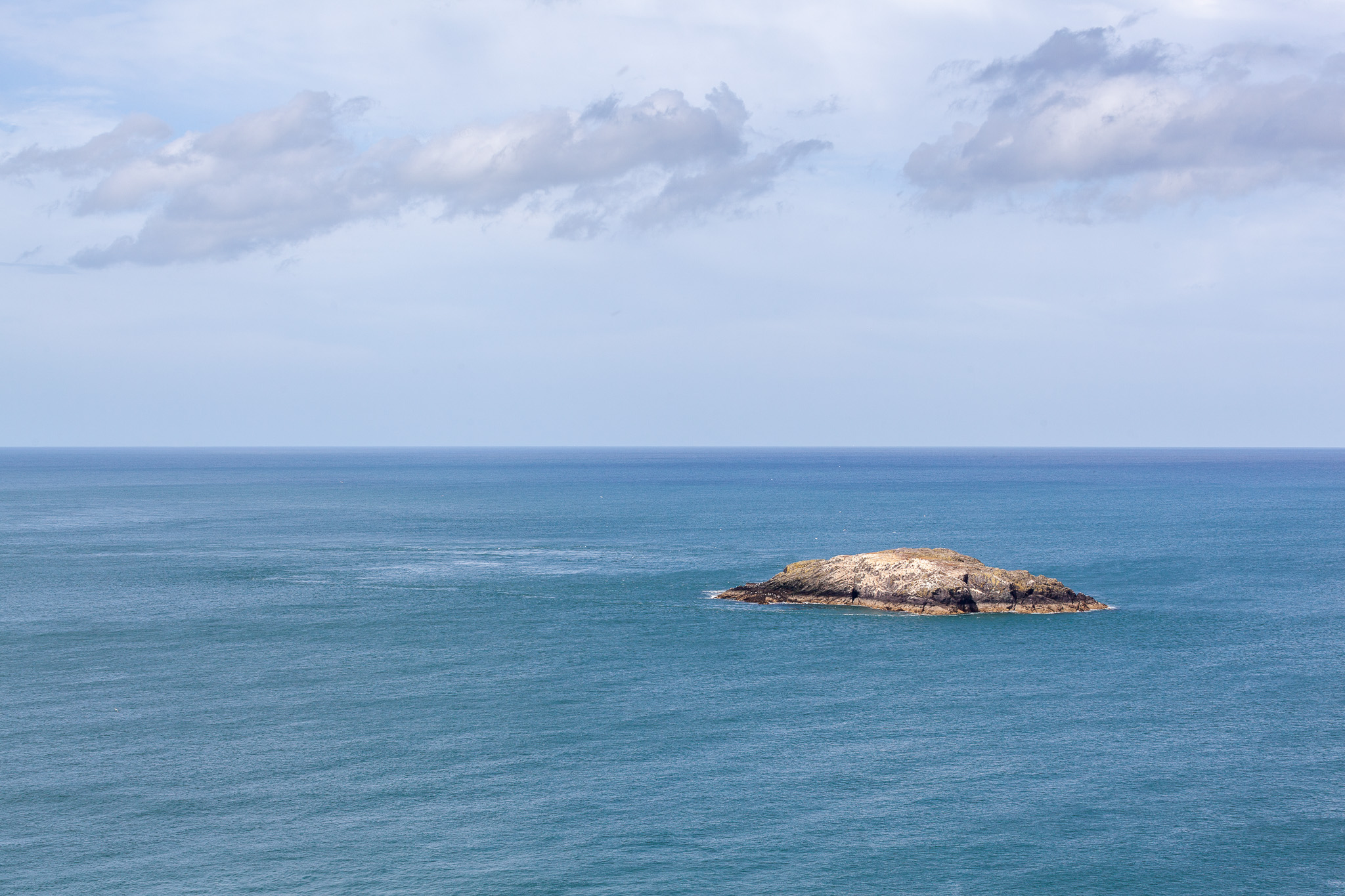
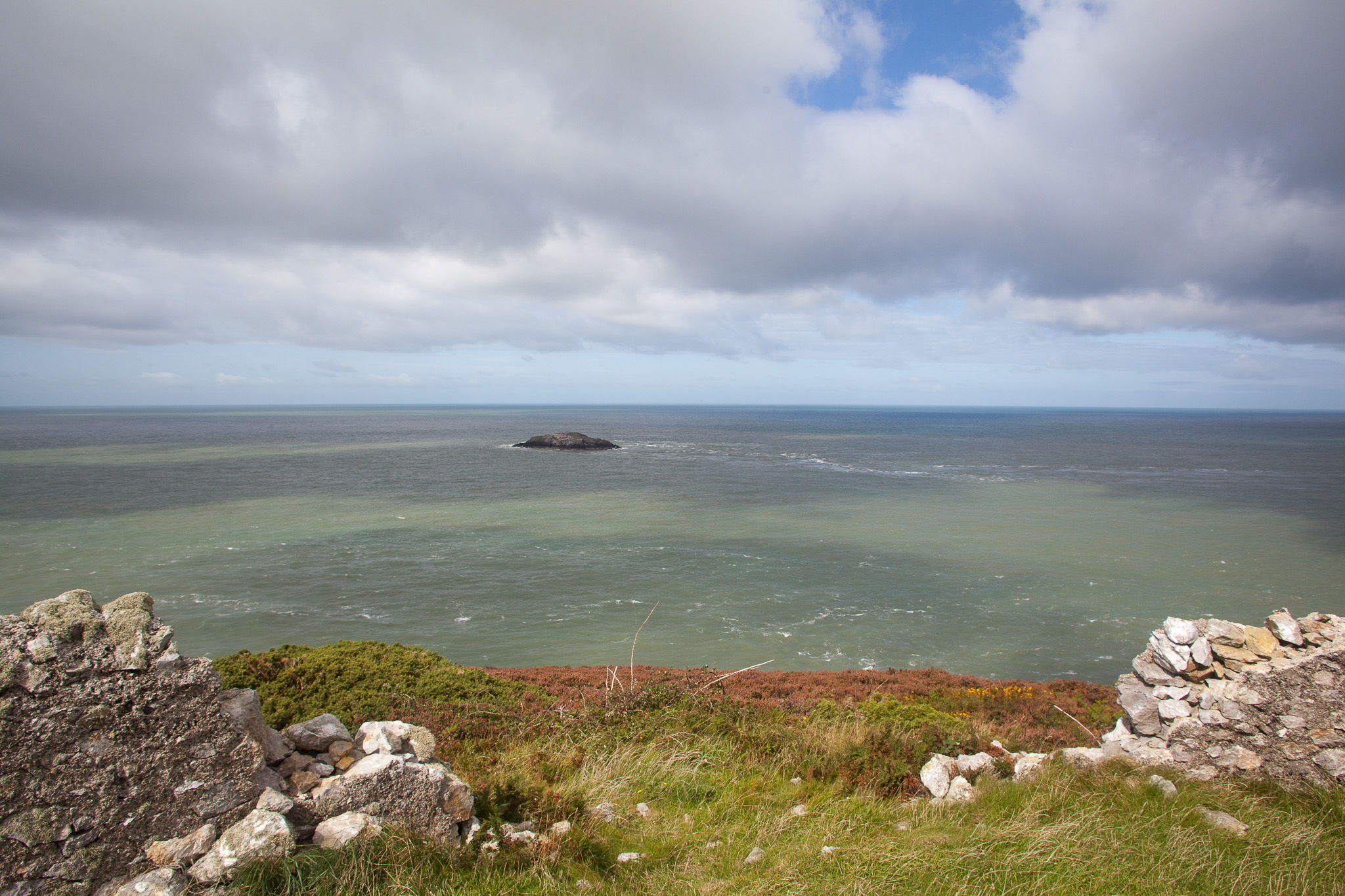
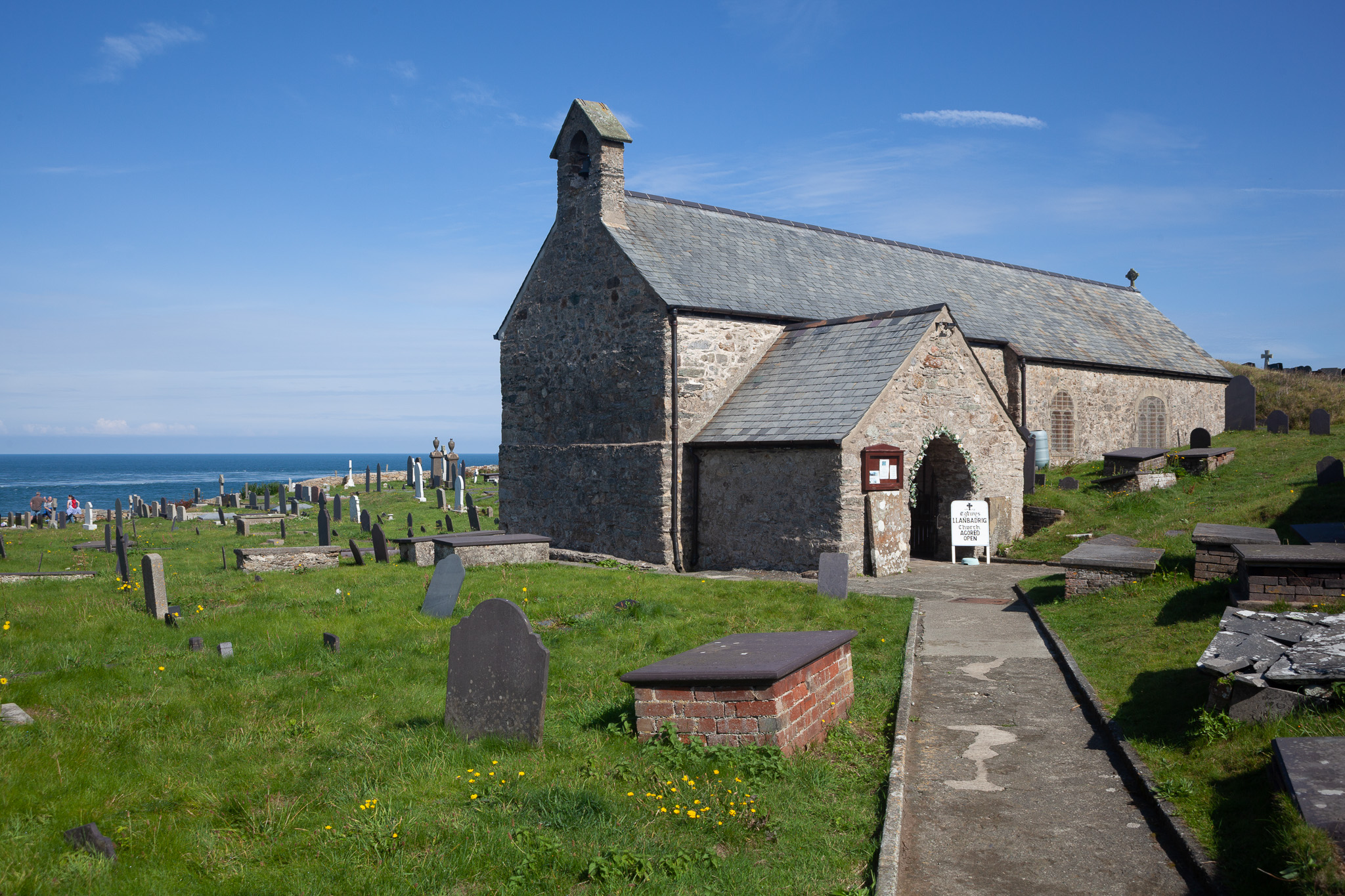
The island has become streaked in white over recent years: guano from a newly established gannet colony. Its waters are also the haunt of seals and dolphins. Local legend has it St Patrick was shipwrecked on the island on a return trip from Scotland to Wales. (Yes, whisper it in Ireland, but St Patrick was a Brit!) On a clifftop overlooking the island, the delightful church of Llanbadrig is also named after the Celtic saint.
In the book I’m currently writing, Through Darwin’s Eyes, I debunk a famous legend about St Patrick. After describing how the harebells of Ireland are genetically distinct from those of nearby Great Britain, having been literally isolated there by rising sea-levels as the glaciers retreated after the last glacial maximum, I go on to explain:
Many other species failed to make it across the land bridge from Britain to Ireland before the rising sea cut them off. There are no common, field or water voles in Ireland. No moles, common or edible dormice, field mice, or common shrews. Stoats made it across in time, but not weasels. There are no common toads or common newts in Ireland, and only one species of reptile: the common lizard.
Famously, there are no snakes on the island of Ireland. Legend would have you believe they were banished by St Patrick—a Briton who himself made the crossing to Ireland, albeit by boat. Other accounts say it was St Columba who did the banishing. Nice stories, but patently bogus. It was really the melting glaciers the Irish have to thank—or to blame—for their lack of serpents, and for their less diverse assortment of flora and fauna.
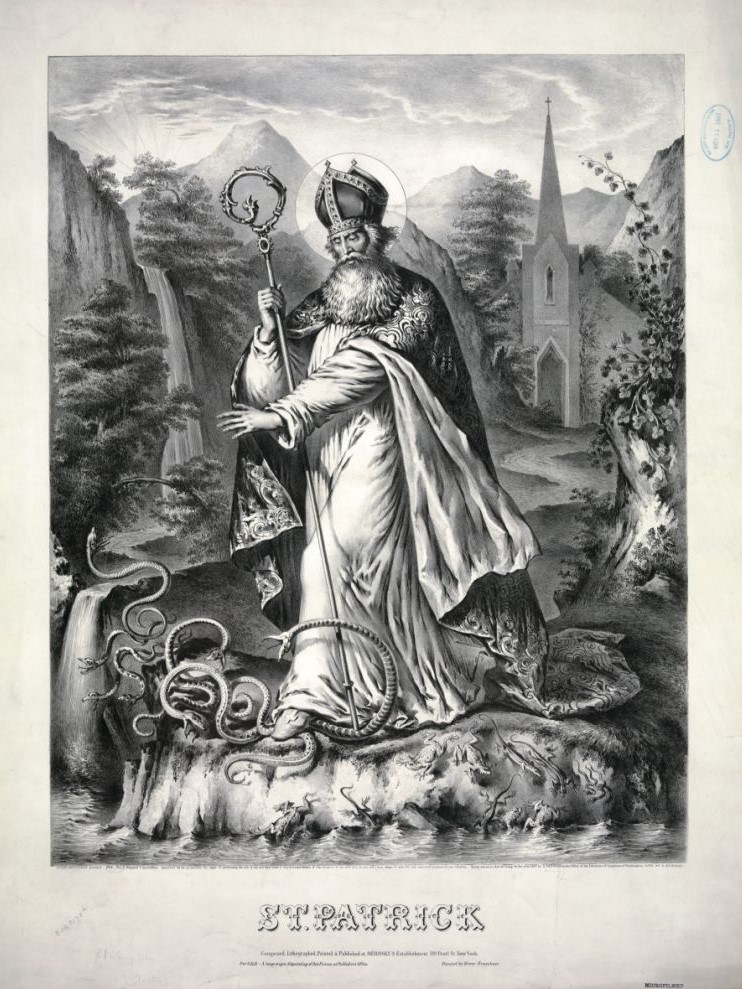
St Patrick driving snakes out of Ireland
Courtesy of the Library of Congress

Leave a Reply