Just in time for Valentine’s Day, a new big-screen adaptation of Emily Brontë’s Wuthering Heights is out this week. The movie’s extensive publicity campaign has made this major cinematic event impossible to avoid—believe me, I’ve tried.
In my book On the Moor I have a bit of a rant about the West Yorkshire Pennines’ identity crisis. In particular, I bemoan the fact that people often confuse us with the Yorkshire Dales. I love the Dales, but they’re not like round here: all smooth white limestone; not dark, rugged millstone grit. Adaptations of Wuthering Heights are a particular bugbear: they’re always filmed in the Yorkshire Dales, North York Moors, or—God forbid!—Derbyshire Peak District; never where Emily Brontë actually wrote and set her masterpiece. Or, as I rant:
I mean, it’s actually here: Wuthering Heights. You can actually visit the place! Top that, Yorkshire Dales! In your face, North York Moors! Top Withins, it’s called. It’s just over there, beyond that hill. True, the building is nothing like the place in the book, and it’s a ruin now, but it’s very much the location Emily Brontë had in mind when she wrote Wuthering Heights. Or so they reckon. Her life-long friend Ellen Nussey said so, and she should have known. So that proves it. Case closed. You can walk there from the Brontë Parsonage at the top of Haworth Main Street, across the windswept, wuthering moor. Just like many thousands of Japanese tourists do every year—so many that there are signposts in Japanese. Just like Ted Hughes and Sylvia Plath did, inspiring poems by both. Sylvia, who wrote the better poem, was a talented draughtswoman, and made a wonderful sketch of the ruin. She was thrilled by the place. It’s indescribably atmospheric. Or so they tell me. I’ve never actually been there, of course. That sort of guff is for the tourists.
I then have a bit of a dig at those who misinterpret Wuthering Heights as a romance:
The story’s setting isn’t the only misconception people seem to have about Wuthering Heights. Take Heathcliff, for example: the great romantic hero. Really? Only if you’ve never actually read the book. Heathcliff is an utter bastard. Dark and brooding might be sexy to some women—although you rarely see it sought in the lonely hearts columns—but Heathcliff takes bitter and twisted to a whole new level. A sociopath, they would call him these days. A control freak. A man with serious anger-management issues. He hangs a spaniel, for Pete’s sake! Easy-going, with a GSOH, Heathcliff most definitely is not.
The fact that so many people see Wuthering Heights as a romance frankly astonishes me. It’s not a romance; it’s a train-wreck. A highly enjoyable train-wreck, I’ll grant you, but there’s absolutely nothing in there to warm the cockles of your heart—unless you have something against spaniels. I more than half suspect most people’s impressions of Wuthering Heights were formed through not listening closely enough to the lyrics of Kate Bush’s song. Listen again: (SPOILER ALERT) the woman trying to get in through Heathcliff’s window is dead! She’s a ghost. Read the book: Cathy’s body lies in the corner of a graveyard, surrounded by bilberry bushes. Yes, bilberry bushes. How West Yorkshire are those? You won’t find many bilberries growing in the alkaline soils of the Yorkshire Dales!
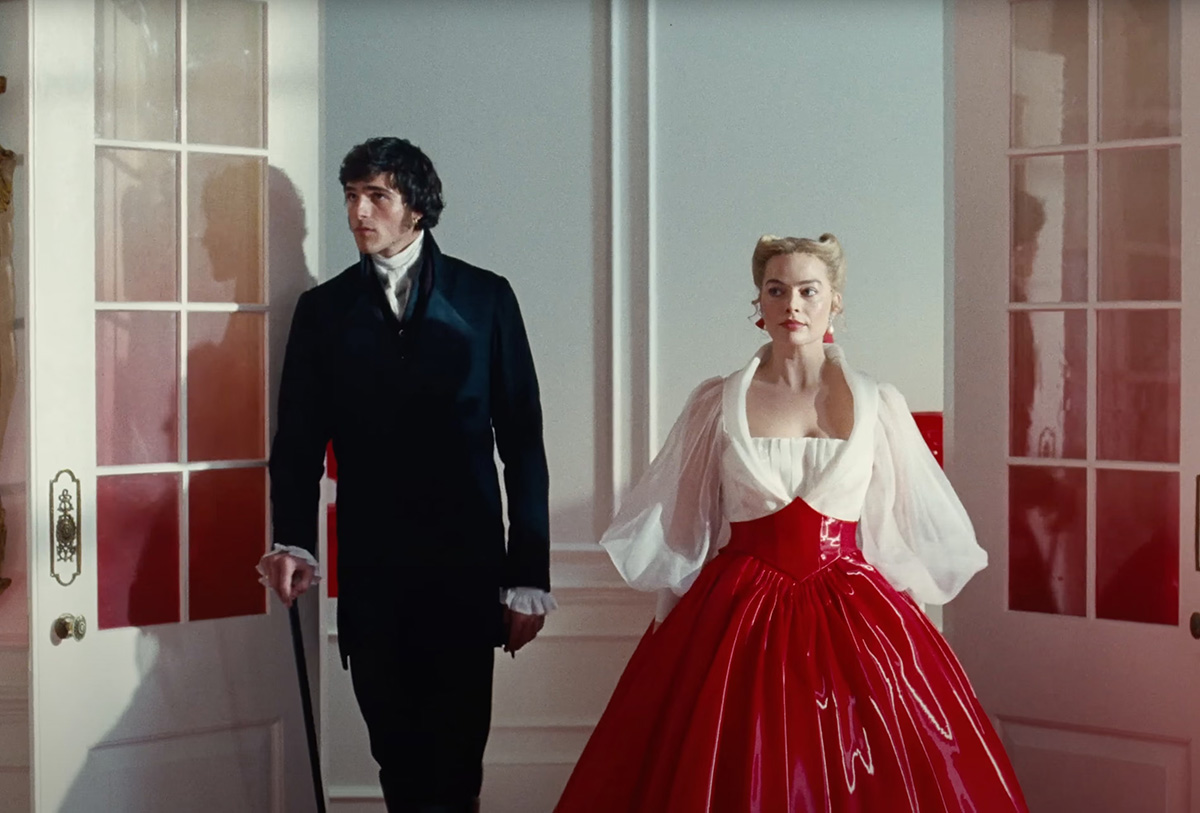
True to form, the latest cinematic misrepresentation of Wuthering Heights was filmed largely in the Yorkshire Dales. I’m sure North Yorkshire’s tourism officers must be rubbing their hands in anticipation of their Christmas bonuses.
Meanwhile, locals near the real-life Wuthering Heights continue their uphill campaign to prevent England’s biggest wind power-station being constructed on Emily Brontë’s beloved, under-appreciated, dark and rugged West Yorkshire moorland.


Leave a Reply